 Referrals


Earwig Control in Northwest Florida: What Pace Homeowners Should Know
Those pincers look intimidating, but earwigs are usually more curiosity than threat here in Pace and across Northwest Florida. These lesser-known insects rarely bother people, and most of the time they’re quietly working in your garden rather than causing trouble. At Patriot Pest Management, we believe in understanding a pest before treating it, which is exactly the kind of balanced, eco-minded thinking behind all of our pest control services.
If you’ve spotted one scurrying through your mulch, take a breath. Earwigs are typically harmless to humans, and a thoughtful approach keeps their numbers in check without disrupting the rest of your yard.
How to Identify an Earwig
Earwigs have a distinctive look once you know what to watch for. The forceps-like pincers at the end of the abdomen are the giveaway, but a few other traits help confirm what you’re seeing.
- Size: about 5/8 inch long on average
- Color: dark brown to black
- Body: elongated with forceps-like pincers at the tail end
- Antennae: long and thread-like
The European Earwig (Forficula auricularia) is the species most commonly found in our area, so if you’re identifying earwigs around your Pace home, that’s almost certainly your visitor.
- Service tailored to your home and pest pressure
- Licensed, professional technicians
- Clear communication at every visit
- Safe, targeted treatments around family and pets
Or Call (850) 994-3990





Benefits Of
The Earwig Life Cycle and Where They Hide
Understanding how earwigs develop makes it easier to spot them early. Females lay eggs in soil, usually during winter, and the young go through 4–5 developmental stages before becoming adults with their noticeable pincers.
You’ll most often find them in damp, sheltered spots:
- Outdoors: gardens, mulch, and leaf litter
- Indoors: occasionally in homes, especially damp areas
Earwigs are primarily nocturnal and omnivorous, feeding on plant material and other insects. Their love of moisture is a big clue when it comes to prevention.
Friend or Foe? The Earwig’s Surprising Role
Here’s the part that surprises most homeowners: earwigs can actually be helpful. They’re predators of various garden pests, including aphids, which makes them a quiet ally in many Northwest Florida gardens.
That said, they aren’t entirely innocent. In larger numbers they may damage seedlings, flowers, and certain crops. The goal isn’t to wipe them out but to keep the balance right, similar to how we approach other beneficial-but-sometimes-pesky insects in our spider resources.
Our Integrated Pest Management Approach to Earwigs
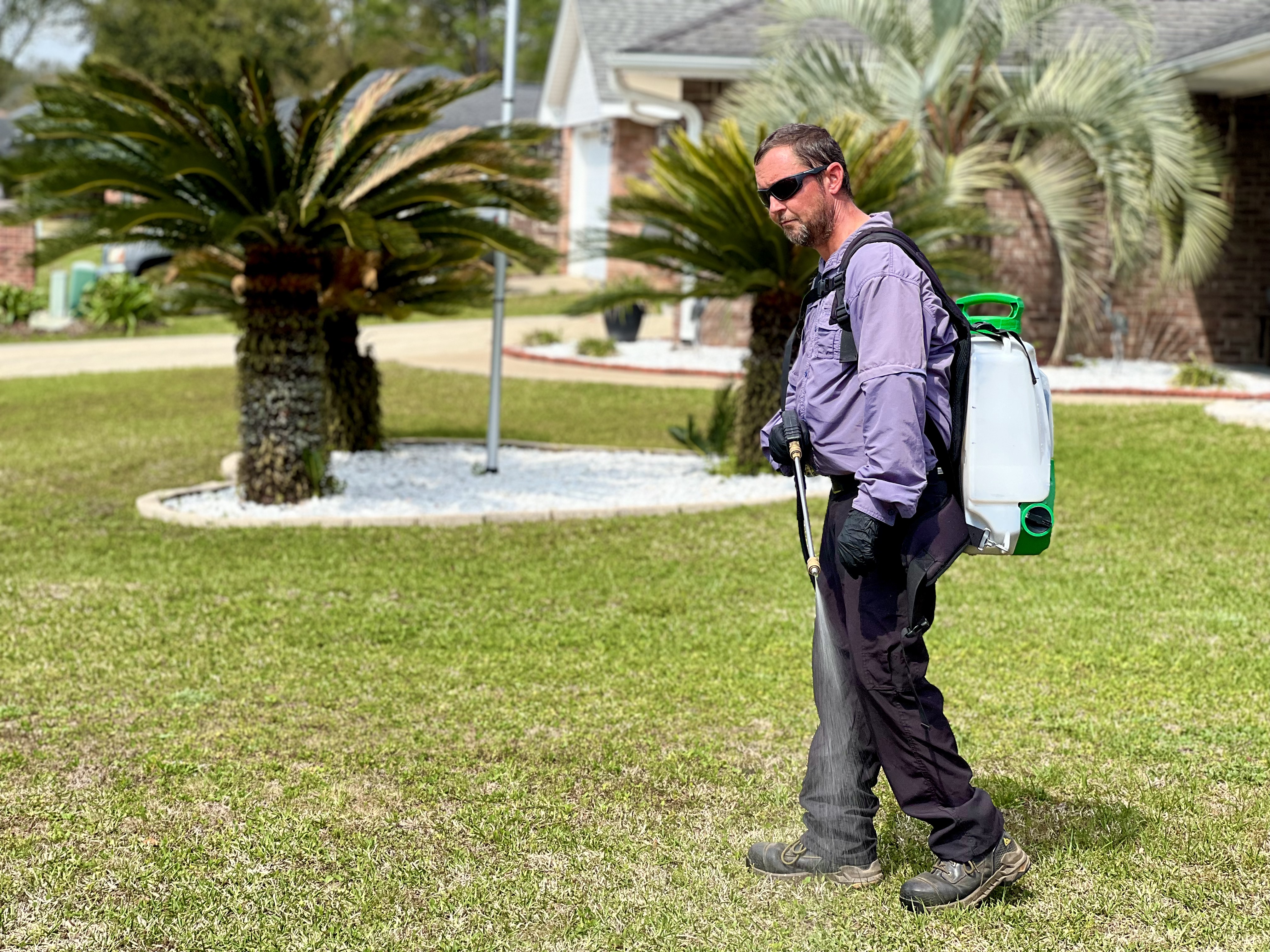
Patriot Pest Management leans on Integrated Pest Management (IPM), a sustainable, environmentally sensitive way to manage earwigs without drastic measures. It starts with identification and monitoring, then layers in gentle, targeted control.
- Identification & monitoring: regular inspection of plants, soil, and hiding spots, plus traps like shallow cans with oil or moistened newspapers
- Cultural & mechanical control: reducing mulch and leaf litter, avoiding overwatering, and handpicking or sweeping them away
- Biological control: encouraging birds and predatory insects like tachinid flies
- Chemical control: limited use in specific problem areas, preferably organic options
It’s the same eco-conscious philosophy you’ll find throughout our services.
Preventing Earwigs Around Your Home and Garden
Because earwigs crave moisture and shelter, a few simple habits go a long way. Prevention through IPM is really about education and staying observant so you catch population growth early.
- Learn earwig biology and behavior so you know what you’re looking at
- Monitor regularly to detect early signs of activity
- Trim back mulch, leaf litter, and damp hiding spots
- Avoid overwatering gardens, since earwigs prefer moist environments
For more do-it-yourself guidance on other common Northwest Florida pests, browse our ant resources and roach resources.

Evaluating Results and Adjusting Over Time
Good earwig management doesn’t stop after the first effort. IPM includes follow-up checks to make sure your control methods are actually working, and adaptive management means adjusting your strategy based on what you observe.
The takeaway for Pace homeowners and gardeners: earwigs are typically more helpful than harmful. By combining monitoring, habitat modification, biological control, limited intervention, and ongoing evaluation, you can keep populations in check without harming the broader ecosystem.
Or Call (850) 994-3990