 Referrals


Ant Control in Northwest Florida: Know What You’re Dealing With
If you’ve spotted trails marching across your kitchen counter or mounds rising in your yard, you’re not alone. Several ant species call Northwest Florida home, and each one behaves differently depending on its nesting and feeding habits. Effective ant control starts with proper identification, because the right approach for a fire ant mound is not the same one you’d use indoors.
The two species residents encounter most often are Fire Ants, known for painful stings and sunny outdoor mounds, and Crazy Ants, recognizable by their erratic movement and fondness for kitchens and bathrooms. For persistent or severe infestations, our pest control services can tailor a plan to the specific ant on your property.
Fire Ants (Solenopsis invicta): Aggressive and Hard to Ignore
The Red Imported Fire Ant is a notorious pest across Northwest Florida, known for aggressive behavior and stings that can cause painful, itchy, and sometimes severe allergic reactions in people and animals. Disturb a nest and the colony may attack en masse, which is why these ants demand respect and careful handling.
- Size: workers range from 1/8 to 3/8 inches long
- Appearance: segmented body with a noticeable stinger
- Outdoors: open, sunny lawns, gardens, parks, and fields
- Indoors: rarely found inside buildings
- Diet: omnivorous — plant nectar, seeds, and other insects
- Service tailored to your home and pest pressure
- Licensed, professional technicians
- Clear communication at every visit
- Safe, targeted treatments around family and pets
Or Call (850) 994-3990




Benefits Of
Spotting and Managing a Fire Ant Infestation
Fire ants leave clear calling cards: distinctive mounds in open, sunny areas and visible trails of worker ants. The colony moves through a full life cycle — eggs hatch in one to two weeks, larvae are fed by workers, pupae transition to adults, and while workers live only a few weeks, queens can live for years.
Smart management combines several tactics:
- Avoidance: don’t disturb mounds and wear protective clothing
- Sanitation: keep food sources sealed
- Chemical control: baits and insecticides, preferably applied by professionals
- Biological control: natural predators where appropriate
Patriot Pest Management provides specialized treatments tailored to your specific situation.
Carpenter Ants (Camponotus spp.): A Threat to Your Wood
Carpenter ants are among the largest ants in North America, and while they play an important ecological role, they become a real concern when they invade human-made structures. Unlike termites, they don’t eat wood — they excavate it to build elaborate tunnels and chambers, which can lead to costly repairs over time.
- Size: 1/4 to 1/2 inches long, with a larger queen
- Color: typically black or dark brown, sometimes reddish
- Appearance: elbowed antennae, defined thorax, smooth rounded profile
- Outdoors: damp or decaying logs, stumps, and trees
- Indoors: leaking roofs, poorly sealed windows, damaged siding
Because their damage overlaps with wood-destroying organisms, a WDO inspection can be a valuable step.

Signs of Carpenter Ants and How to Control Them
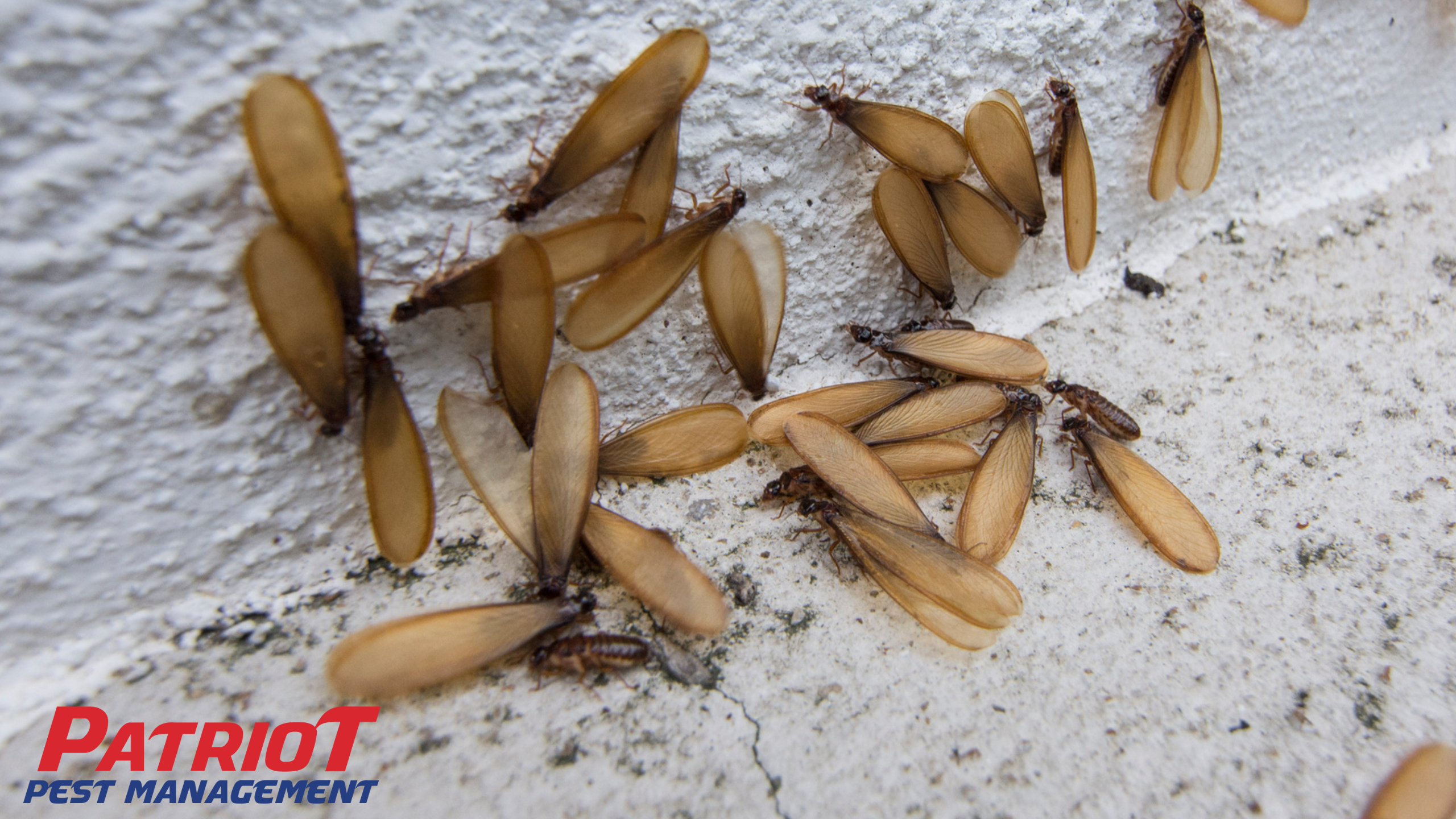
Carpenter ants give themselves away with frass — wood shavings and debris — near wooden structures, faint rustling sounds inside walls, and large winged ants during mating season. They don’t transmit disease but can inflict painful bites and quietly weaken your home’s structure.
Control works best as a multi-step effort:
- Inspection to locate nests and attracting conditions
- Physical control: repair leaks, replace damaged wood, seal entry points
- Chemical control: baits and non-repellent insecticides targeted to the species
Patriot Pest Management offers specialized, environmentally friendly treatments, and early intervention is critical. If you also suspect termite activity, mention it during your visit.
Pharaoh Ants (Monomorium pharaonis): Tiny and Persistent
Pharaoh ants are a widespread pest that can create serious problems in hospitals, restaurants, apartments, and homes. They’re easy to overlook because of their size, yet their love of warm, humid spaces keeps them coming back.
- Size: very small, around 1/16-inch long
- Color: light yellow to orange with a darker abdomen
- Appearance: small segmented body with a noticeable stinger
- Indoors: warm, humid areas like kitchens, bathrooms, and heating systems
- Diet: omnivorous, preferring proteins and sweets
They’re rarely found outside in cooler climates, which makes indoor sanitation and professional guidance important for lasting relief.

When to Call Patriot Pest Management — People Before Pests
Some ant problems clear up with sealed food and a little patience. Others — aggressive fire ant mounds, structure-threatening carpenter ants, or stubborn pharaoh ant colonies — call for help. Our Integrated Pest Management approach focuses on long-term solutions, environmental responsibility, and treatments customized to your home and family.
“Destiny did an amazing job with her pest control service! From the moment she arrived, she was so friendly, professional, and easy to talk to. She took the time to explain everything she was doing and made sure I felt comfortable and informed throughout the whole process.”— Myranda
Explore more pest guides in our resources library, including spiders and roaches, or review all of our services.
Or Call (850) 994-3990